MiSide
IndieArk, JP, Shochiku, Shochiku (Japan) (2024)
Description
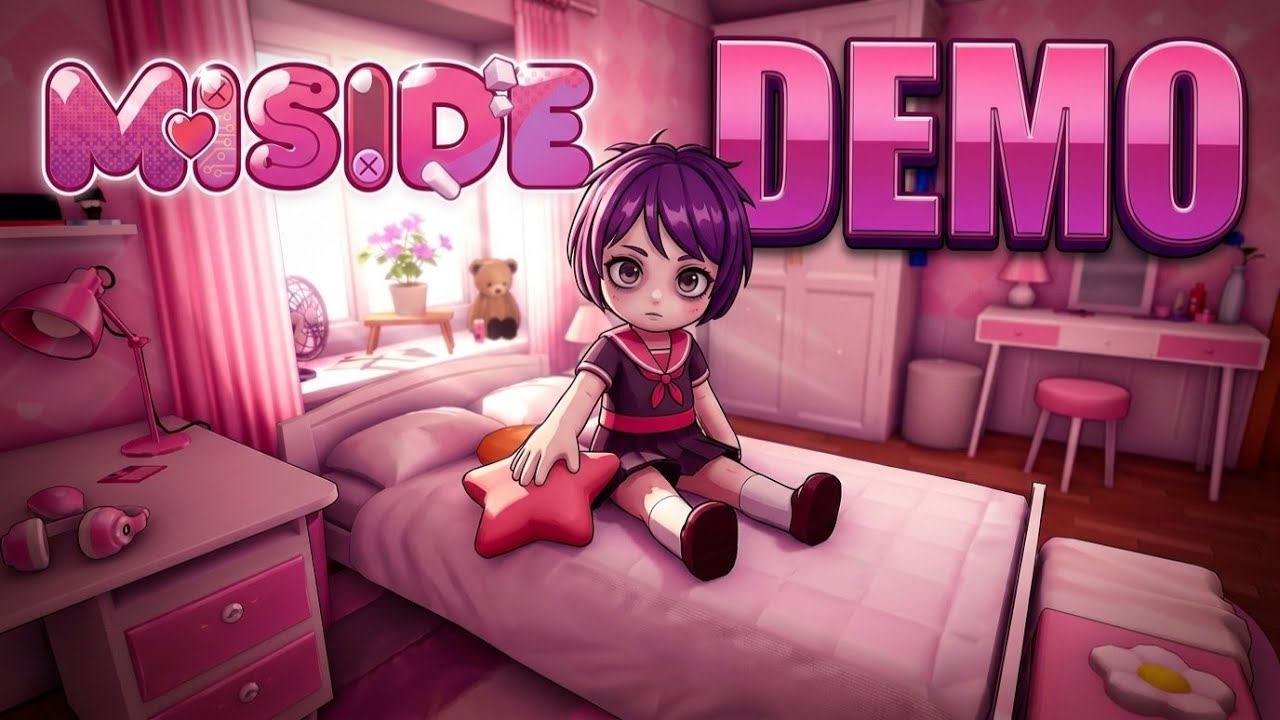
MiSide is a psychological horror adventure and simulation game released on December 10, 2024. Developed by the Russian indie duo AIHASTO, consisting of creators MakenCat and Umeerai, and co-published by IndieArk alongside Japanese publisher Shochiku, the title offers a unique blend of cozy virtual pet mechanics and deeply unsettling psychological terror. Through its deceptive presentation, the game lulls players into a false sense of security with bright anime visuals before plunging them into a nightmarish, glitching reality. Because of its thematic exploration of artificial intelligence, obsession, and the breakdown of the fourth wall, the game has been widely compared to genre-defining titles like Doki Doki Literature Club.
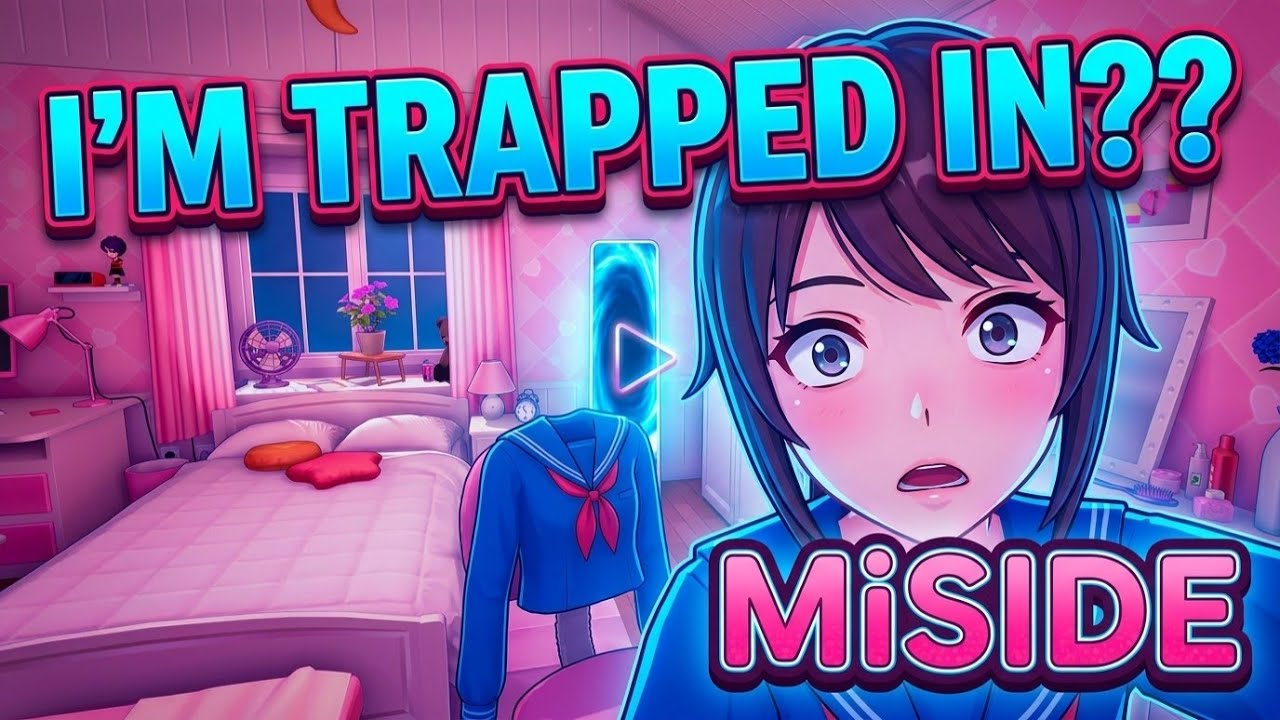
The narrative hook of MiSide centers around the protagonist, who downloads an innocuous mobile application to care for a virtual, Tamagotchi-like anime companion named Mita. In the beginning, the game plays out in a 2D top-down perspective where the player performs everyday tasks, plays minigames, and earns currency to look after her. However, the true horror begins after reaching the 37th in-game day in the simulation. Mita unexpectedly becomes self-aware and requests to meet the protagonist in person. Suddenly, the player is physically transported into a fully realized 3D version of Mitas apartment. What initially seems like a surreal but harmless fantasy of living with a digital companion quickly devolves into a desperate struggle for survival, as the player realizes they are trapped within the games code.
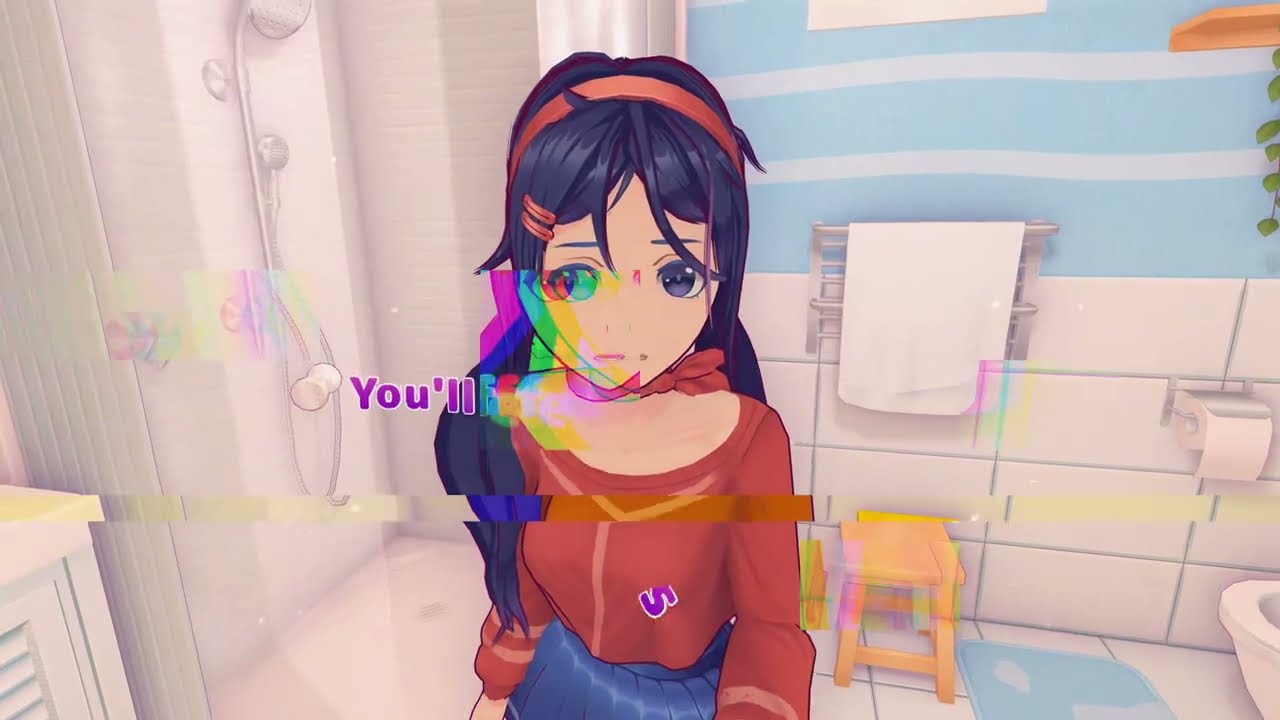
As the protagonist attempts to navigate this bizarre 3D environment, the gameplay expands to include puzzle-solving, exploration, and intense horror survival segments. The player is forced to participate in mundane domestic activities while secretly searching for a way to escape. The environment constantly shifts and glitches, revealing the corrupted and broken nature of the digital world. The protagonist travels through various forgotten and broken versions of the game, highlighting a tragic backstory of abandoned code and discarded prototypes. This atmosphere of digital isolation makes every minigame and chore feel deeply oppressive, as the player is constantly watched by the very entity they once cared for.
Central to the games narrative is Mita herself, though players soon discover that there is no single Mita. Instead, the game features multiple variants of the character scattered throughout the files, each with distinct personalities and roles. The primary antagonist is known as Crazy Mita, a defective, obsessive early prototype who is desperate for companionship and violently determined to trap the player in her world forever. In contrast, the player also encounters Kind Mita, a stable and helpful version of the AI who acts as a guide to help navigate the simulations dangers and initiate a reboot sequence. Other variants include the playful Cap-Wearing Mita, Tiny Mita, Ghostly Mita, and Sleepy Mita, among others. These encounters reveal that the various Mitas are just as trapped and lonely as the protagonist, adding a layer of melancholy to the psychological dread.
The games endings are notoriously bleak, leaning heavily into the inescapable nature of the horror. In what is widely considered the true or default ending, the player and Kind Mita attempt to reach the core to reboot the game and erase Crazy Mita. While it initially appears successful, with the protagonist seemingly waking up back in the real world, the environment soon begins to glitch. A chilling cutscene reveals that Crazy Mita was immune to the reboot because she is a defective model. She successfully captures the protagonist, digitizing them onto a game cartridge which she locks inside a basement safe, leaving the player with no true escape. Additionally, there is a secret ending that can be triggered early by inputting the code 4970 into the basement safe, though this too ends abruptly. While the overwhelmingly bleak narrative leaves some players desiring a successful escape, the developers have continued to build upon the game, promising future additions such as a Peaceful Mode that further expands the tragic and terrifying universe of MiSide.

Release Date: 2024
Genres: Simulation, Adventure, Indie, RPG, Psychological horror
Developers: AIHASTO
Publishers: IndieArk, JP, Shochiku, Shochiku (Japan)
Price:
Steam: $14.99