
Epic Mickey
Disney Interactive Studios, THQ Nordic, Nintendo (2010)
ລາຍລະອຽດ
Epic Mickey ເປັນເກມແພລດຟອມວິດີໂອທີ່ໂດດເດັ່ນໃນບັນດາໂຄງການທີ່ມີເອກະລັກ ແລະ ມີຄວາມທະເຍີທະຍານດ້ານສິລະປະຫຼາຍທີ່ສຸດໃນປະຫວັດສາດຂອງ Disney Interactive Studios. ຖືກປ່ອຍອອກມາຄັ້ງທໍາອິດໃນເດືອນພະຈິກ 2010 ສໍາລັບ Nintendo Wii, ມັນຖືກພັດທະນາໂດຍ Junction Point Studios ພາຍໃຕ້ການຊີ້ນໍາຂອງ Warren Spector, ນັກເກມເກົ່າທີ່ຮູ້ຈັກດີທີ່ສຸດສໍາລັບ cyberpunk classic *Deus Ex*. ເກມນີ້ມີຄວາມໂດດເດັ່ນສໍາລັບການຕີຄວາມໝາຍທີ່ມືດມົນ, ບິດເບືອນເລັກນ້ອຍຂອງຈັກກະວານ Disney, ລະບົບຄຸນນະທໍາ "Playstyle Matters" ຂອງມັນ, ແລະຄວາມພະຍາຍາມທີ່ຈະແນະນໍາ Oswald the Lucky Rabbit—ດາວການ์ຕູນຄັ້ງທໍາອິດທີ່ສໍາຄັນຂອງ Walt Disney—ໃຫ້ກັບຜູ້ຊົມທີ່ທັນສະໄຫມ.
### ຫົວຂໍ້ ແລະ ເລື່ອງ
ເລື່ອງເລົ່າຂອງ *Epic Mickey* ປະກອບມີ prologue meta-fictional. Mickey Mouse, ດ້ວຍຄວາມຢາກຮູ້ຢາກເຫັນ, ເຂົ້າໄປໃນການ کارگاه ຂອງ sorcerer Yen Sid (ຈາກ *Fantasia*) ຜ່ານກະຈົກ magical. ທີ່ນັ້ນ, ລາວພົບເຫັນຮູບແບບຂອງໂລກ Yen Sid ໄດ້ສ້າງຂື້ນສໍາລັບ "ລືມ" ຕົວລະຄອນ Disney ແລະແນວຄິດ. ຄິດວ່າລາວສາມາດຫຼິ້ນກັບເຄື່ອງມືຂອງ sorcerer, Mickey ໄດ້ຮັບແປງ magic ແລະ accidentally spilled paint and thinner onto the model, creating a chaotic monster known as the Shadow Blot. In a panic, Mickey tried to erase the monster with thinner but only succeeded in damaging the world before fleeing back to his own reality.
Decades later, the Shadow Blot abducts Mickey, pulling him into the very world he ruined, now known as the "Wasteland." This alternate dimension is a dark, distorted mirror of Disneyland, populated by retired characters like Clarabelle Cow, Horace Horsecollar, and the animatronic versions of Donald Duck and Goofy. The world is ruled by Oswald the Lucky Rabbit, Mickey’s half-brother who resents Mickey for his immense fame and for "stealing" the life Oswald believes should have been his.
The plot follows Mickey’s journey to defeat the Shadow Blot, save the Wasteland, and reconcile with Oswald. The story is emotionally grounded in the relationship between the two brothers; Mickey must prove he is not just a corporate icon, but a hero willing to fix his mistakes, while Oswald must learn to let go of his bitterness.
### ສະຖານທີ່ ແລະ ສະຖານທີ່
One of the game's strongest assets is its setting. The Wasteland is a dystopian theme park, with locations that serve as twisted versions of famous Disneyland areas:
* **Mean Street:** A darker version of Main Street, U.S.A., serving as the game's central hub.
* **OsTown:** A variation of Mickey's Toontown, featuring a fountain that sprays thinner (originally paint).
* **Mickeyjunk Mountain:** A towering heap of discarded Mickey Mouse merchandise (cartridges, lunchboxes, plushies) based on the Matterhorn, representing the "junk" that replaced Oswald in the public eye.
* **Dark Beauty Castle:** A ruinous version of Sleeping Beauty Castle, where the game begins and ends.
* **Lonesome Manor:** A spooky, dilapidated version of the Haunted Mansion.
* **Tomorrow City:** A retro-futuristic area based on Tomorrowland, filled with broken technology.
To travel between these 3D hub worlds, Mickey jumps into projector screens that transport him into 2D side-scrolling levels. These levels are directly based on classic animated shorts, such as *Steamboat Willie*, *Clock Cleaners*, and *Mickey and the Beanstalk*, bridging the gap between Mickey’s modern 3D iteration and his 2D roots.
### Gameplay Mechanics
The core gameplay loop revolves around the **Magic Brush**, which gives Mickey the power to wield Paint and Thinner.
* **Paint (Blue):** Used to create objects, fill in missing parts of the environment to solve puzzles, and befriend enemies ("Blotlings") by turning them to the player's side.
* **Thinner (Green):** Used to erase objects to reveal secrets or clear paths, and to destroy enemies.
This dichotomy feeds into the **"Playstyle Matters"** system. While the game does not have a branching narrative in the traditional sense, the player's reliance on Paint (Hero path) or Thinner (Scrapper path) changes the world and the ending details.
* **The Hero Path:** If Mickey uses Paint and helps NPCs, the Wasteland becomes brighter, music becomes more triumphant, and the "Guardians" (spirits that aid Mickey) appear as blue "Tints." Oswald warms up to Mickey faster, and the ending depicts a fully restored Wasteland with celebrated characters.
* **The Scrapper Path:** If Mickey uses Thinner and ignores side quests, the world remains dim, Mickey’s appearance becomes rougher with ink dripping off him, and the Guardians appear as red/green "Turps." The ending is more melancholic; while the Blot is still defeated, the Wasteland is not fully healed, and Oswald’s trust in Mickey is more tentative.
### Development History
The development of *Epic Mickey* was highly publicized due to the involvement of Warren Spector. Spector wanted to move away from the "safe," corporate image of Mickey Mouse and return him to his 1930s roots as a mischievous, adventurous character.
Early in development, concept art leaked showing a "steampunk" and horror-inspired Wasteland that was significantly darker than the final product. While Disney allowed a surprising amount of creative freedom, the tone was eventually lightened to ensure the game remained accessible to families and consistent with the brand, though it retained a "Tim Burton-esque" aesthetic. A crucial part of development was the negotiation to acquire the rights to Oswald the Lucky Rabbit from NBCUniversal, trading sportscaster Al Michaels to get the character back home to Disney.
### Reception and Legacy
Upon its 2010 release, *Epic Mickey* received mixed-to-positive reviews. Critics universally praised the story, the art direction, and the respectful handling of Disney history. However, the game was heavily criticized for its technical flaws, particularly a frustrating camera system that often made platforming difficult, and occasionally imprecise motion controls. Despite these issues, it was a commercial success, selling over 3 million copies.
The game spawned a sequel, *Epic Mickey 2: The Power of Two* (2012), which added voice acting (the first game used grunts and mumbles) and a co-op mode allowing a second player to control Oswald. However, the sequel suffered from AI issues and failed to meet sales expectations, leading to the closure of Junction Point Studios in 2013. A spin-off for the Nintendo 3DS, *Epic Mickey: Power of Illusion*, was also released, paying homage to the Sega Genesis title *Castle of Illusion*.
In 2024, the franchise was revived with **Epic Mickey: Rebrushed**, a faithful remake developed by Purple Lamp and published by THQ Nordic. This version modernized the game with high-definition visuals, a vastly improved camera, and new movement abilities like a dash and sprint. *Rebrushed* was well-received for fixing the technical grievances of the original while preserving the unique atmosphere that made the game a cult classic.
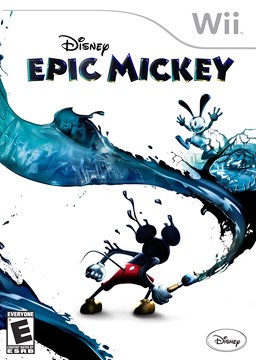
ວັນທີປ່ອຍອອກມາ: 2010
ປະເພດ: platform
ຜູ້ພັດທະນາ: Purple Lamp, Junction Point Studios
ເຈົ້າຂອງລິຂະສິດ: Disney Interactive Studios, THQ Nordic, Nintendo


