360° Bendy and the Ink Machine
Playlist by TheGamerBay
Description
The intersection of vintage animation nostalgia and modern survival horror has produced few franchises as distinct and culturally impactful as the Bendy and the Ink Machine series. Since its episodic debut in 2017, the franchise has captivated audiences with its sepia-toned, 1930s "rubber hose" aesthetic and its contrasting narrative of corporate hubris and supernatural terror. However, the appeal of the series extends far beyond traditional gaming setups. As the franchise grew, so did the ways in which fans interacted with it, culminating in the rise of 360-degree video experiences. These immersive formats have allowed audiences to step directly into the ink-drenched halls of Joey Drew Studios, transforming the passive viewing of horror into an interactive, panoramic nightmare.
To understand the effectiveness of these 360-degree experiences, one must first understand the foundation of the Bendy series. Created by Joey Drew Studios, the original game follows Henry Stein, a retired animator who returns to his former workplace after receiving a cryptic invitation from his old boss, Joey Drew. Instead of a nostalgic reunion, Henry discovers an abandoned, rotting studio where the beloved cartoon mascot, Bendy, has been brought to terrifying life through a massive, arcane contraption known as the Ink Machine. The series expanded upon this lore with sequels and spin-offs, most notably Bendy and the Dark Revival, which deepened the mythology of the "Ink Realm" and introduced more complex survival mechanics. The core horror of the franchise relies heavily on environmental storytelling, claustrophobia, and the corruption of childhood innocence, making the setting itself the primary antagonist.
It is precisely this reliance on atmospheric tension and environmental design that makes the Bendy universe a perfect candidate for 360-degree video technology. A 360-degree video allows viewers to control their perspective, looking up, down, and all around a spherical digital environment, either by dragging their cursor on a screen, tilting a mobile device, or wearing a virtual reality headset. In traditional horror media, a director or game developer controls what the audience sees, utilizing off-screen space to build suspense before delivering a carefully timed scare. In a 360-degree environment, that safety net is entirely removed. The viewer is responsible for checking their own blind spots, fostering a deep sense of paranoia.
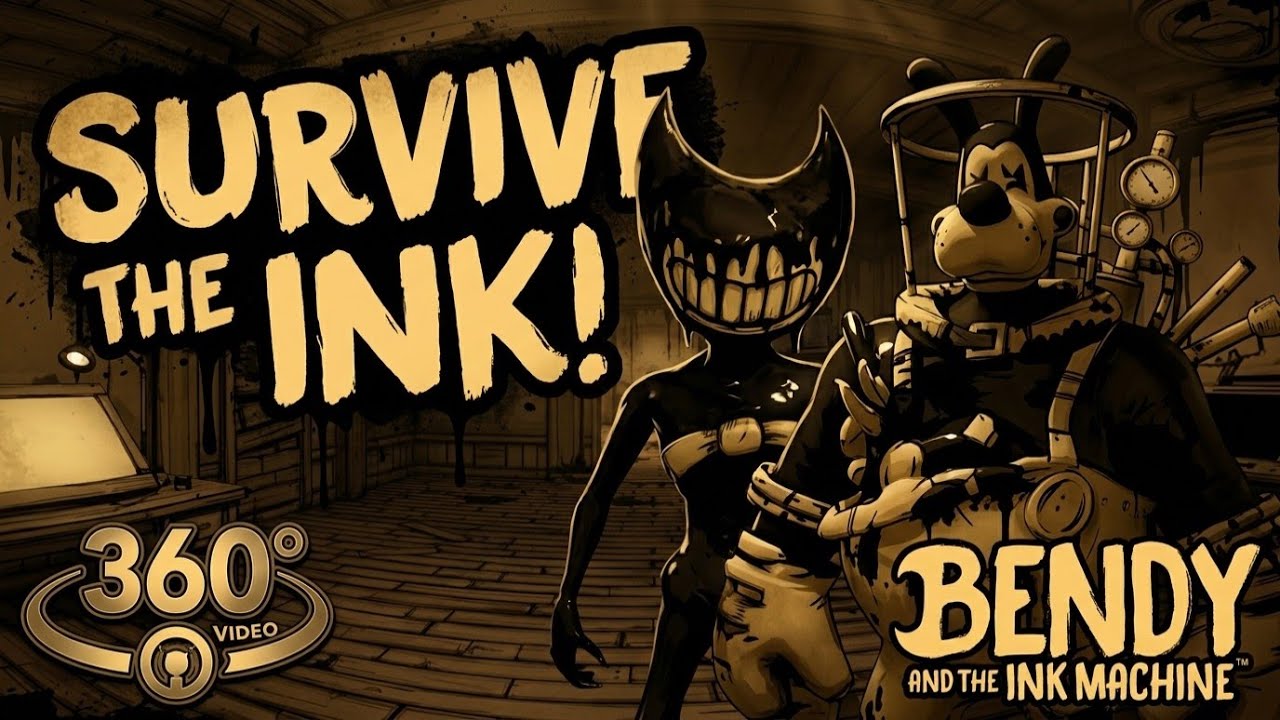
When Bendy and the Ink Machine is adapted into the 360-degree format—largely through the passion of a dedicated fan base utilizing 3D animation software like Source Filmmaker and Blender, as well as through promotional VR-adjacent content—the psychological terror is magnified exponentially. The claustrophobic corridors lined with ticking clocks, the unsettling cutouts of Bendy that seem to move when unobserved, and the constant, ominous dripping of black ink are no longer just images on a flat screen; they surround the viewer. If a viewer hears the thumping heartbeat that signals the approach of the terrifying Ink Demon, they cannot simply watch a protagonist react. They must physically turn their gaze to find the source of the sound, often coming face-to-face with the towering, grinning monstrosity rushing toward them.
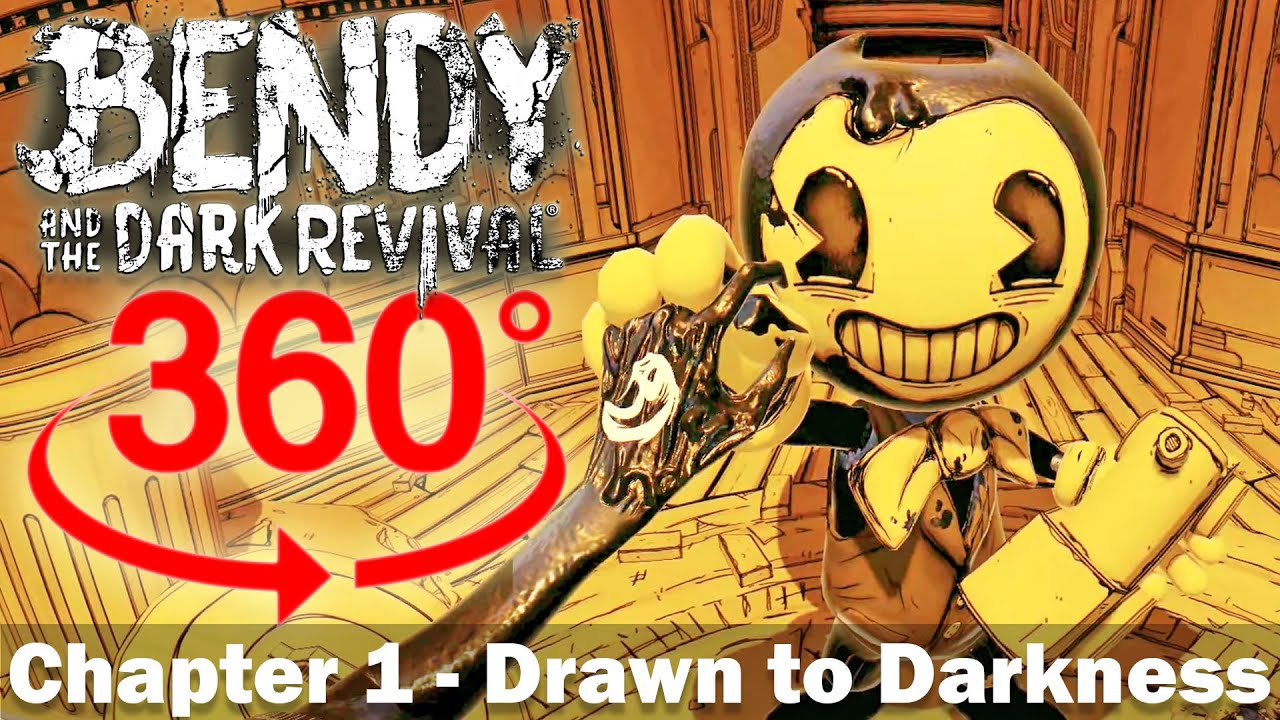
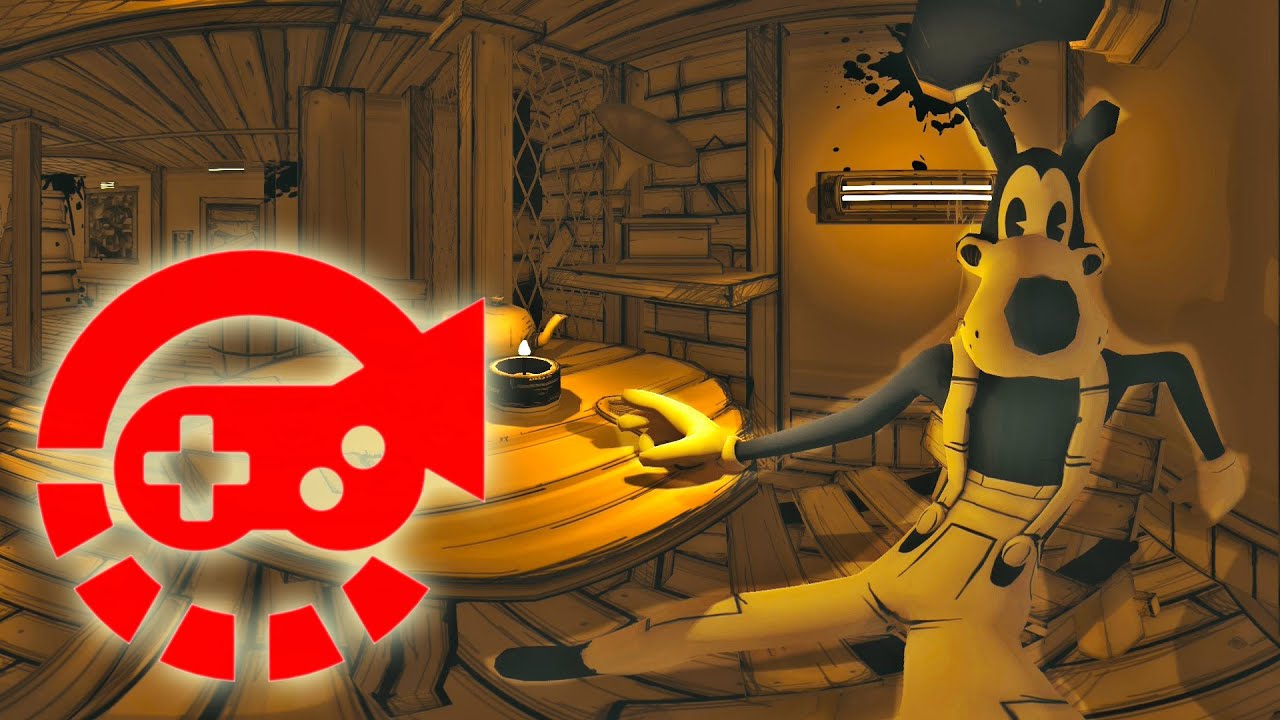
Furthermore, the 360-degree experience highlights the meticulous art direction of the Bendy series. The sketchy, cel-shaded textures and monochromatic yellow-and-black color palette create a surreal, dreamlike environment. When immersed in a 360-degree video, the viewer feels as though they have literally stepped inside a vintage cartoon that has decayed into madness. The spatial audio usually accompanying these videos enhances the illusion, making the groans of the pipes and the whispers of corrupted ink creatures feel startlingly close.
Ultimately, the Bendy and the Ink Machine series thrives because it weaponizes nostalgia, turning the comforting imagery of early animation into a labyrinth of survival horror. The translation of this world into 360-degree video experiences represents a natural evolution of the franchise's immersive potential. By placing the audience directly inside the abandoned animation studio, these panoramic experiences strip away the barrier between the player and the game. They prove that the true horror of Joey Drew Studios does not just come from what is standing directly in front of you, but from what might be lurking right behind your back.
Published:
Apr 08, 2018